
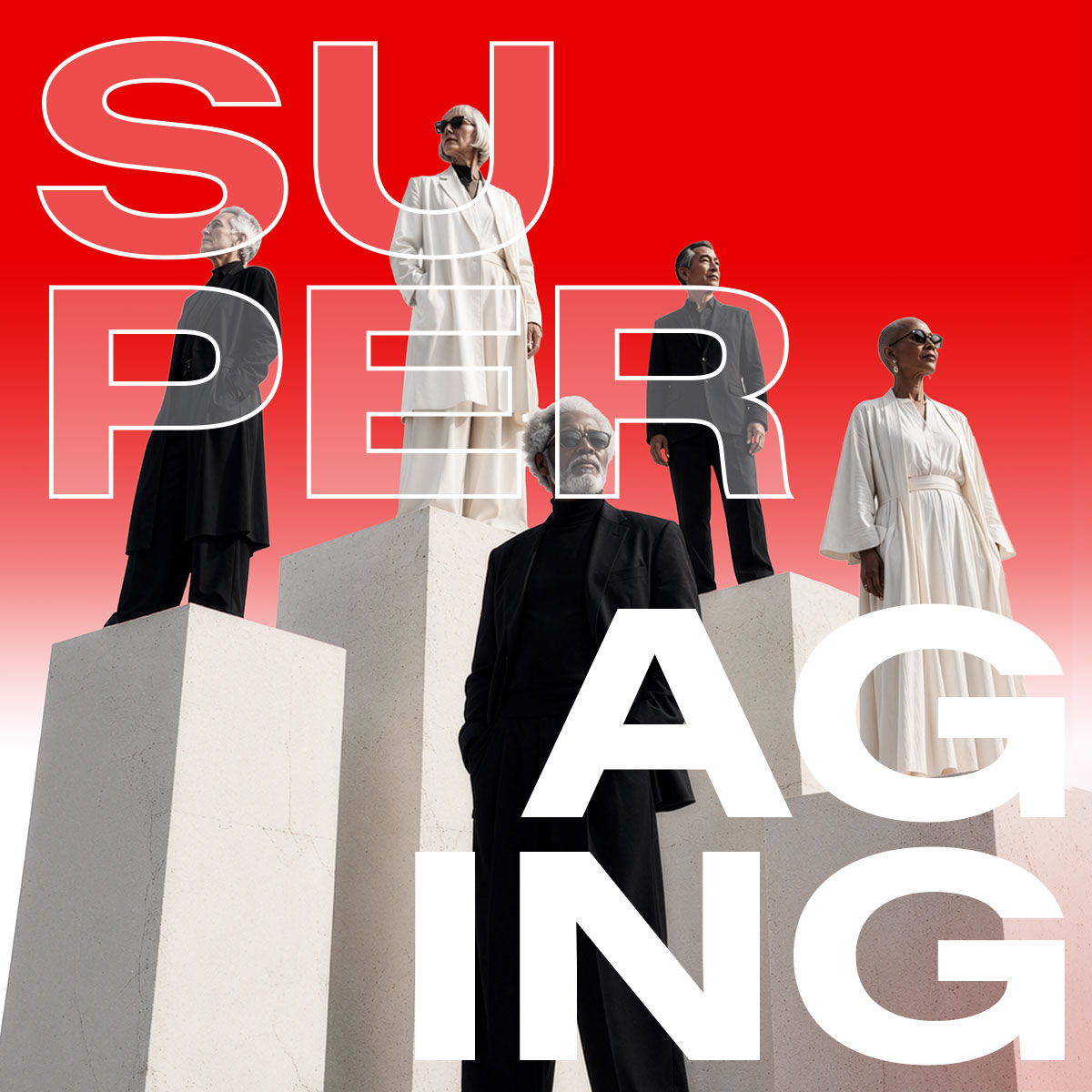
STEP INTO THE SUPERAGING ERA
Just two years ago, we asked whether humans could live to 200. Today, that question feels less speculative and more inevitable. Aging is no longer a passive life stage—it’s an active, engineered experience shaped by consumers, science, and technology. What was once confined to labs is now unfolding in everyday life.

Download the
Intelligence Report
We are living longer—but not necessarily better. A growing gap exists between lifespan and healthspan, with many people spending their later years managing chronic conditions. At the same time, access to longevity innovation remains uneven, shaped by cost, literacy, and availability.
Longevity is emerging as a $33 trillion economic revolution. Consumers are investing in vitality, optimization, and prevention across categories—from healthcare and nutrition to technology, travel, and home design. Aging is no longer a category; it is becoming a design principle across industries.
THEMES EXPLORED
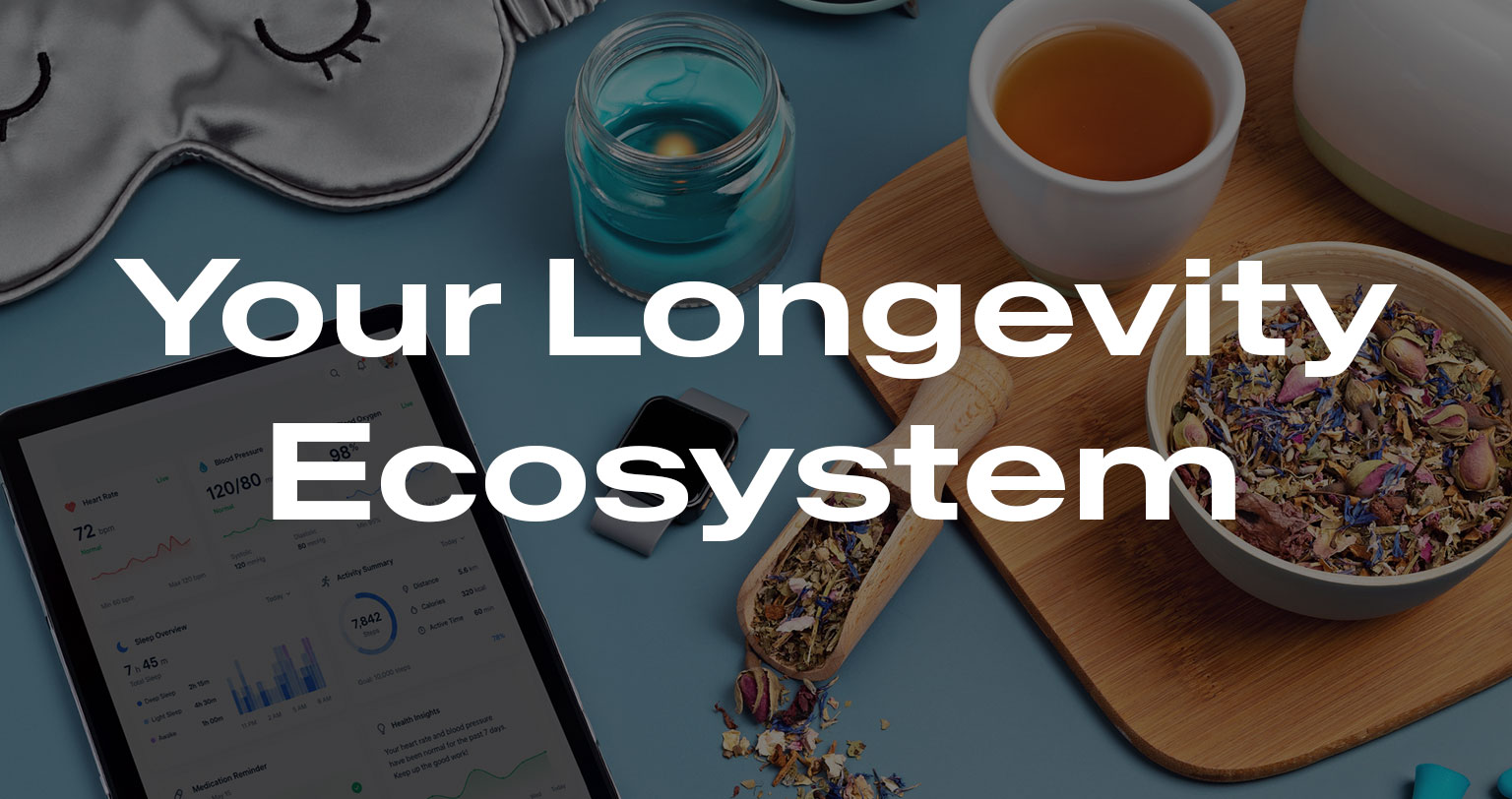
Aging is no longer something that simply happens—it’s something consumers actively design. From wearable diagnostics and personalized nutrition to recovery rituals and data-driven health tools, people are building their own longevity ecosystems.
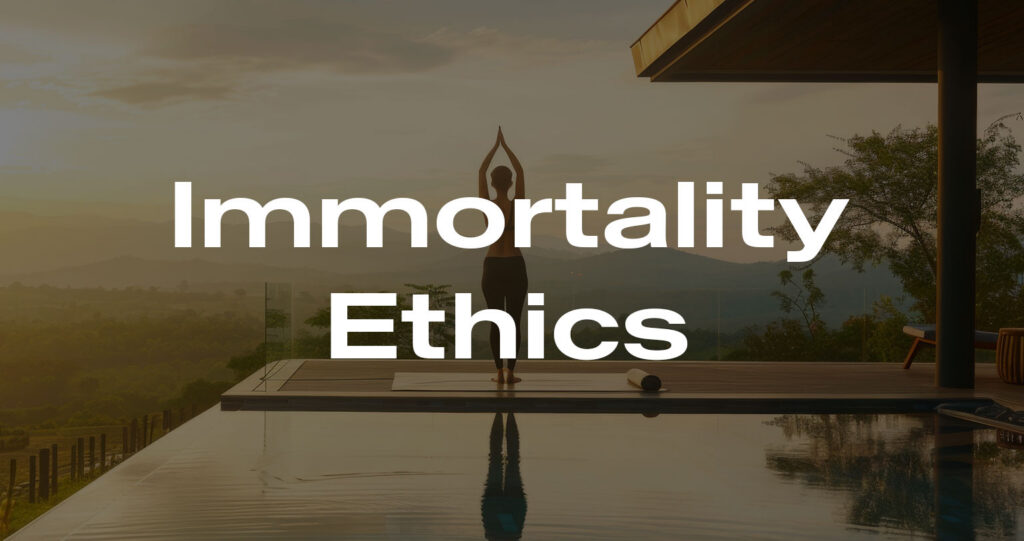
The focus is shifting from extending lifespan to extending healthspan—preserving vitality, mobility, and cognitive function for longer. Aging is increasingly seen as malleable, with science offering new ways to slow, optimize, and potentially reverse biological decline. But as innovation accelerates, so do challenges around access, understanding, and trust.
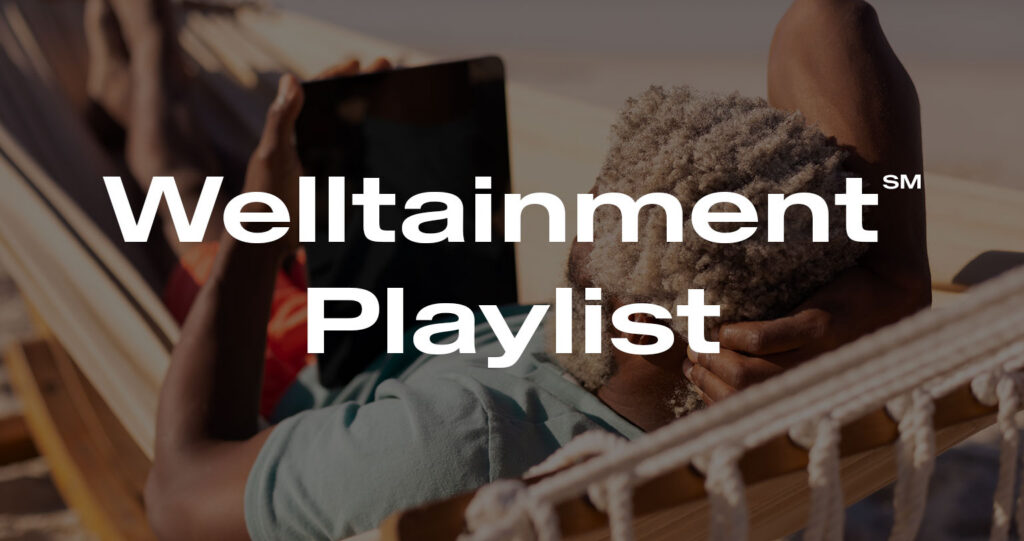
Longevity has a distribution problem—the science is advancing faster than culture can absorb it. Enter Welltainment™: the fusion of wellness, entertainment, and storytelling. From streaming content and podcasts to influencers and social platforms, entertainment is becoming the primary channel through which people engage with longevity.
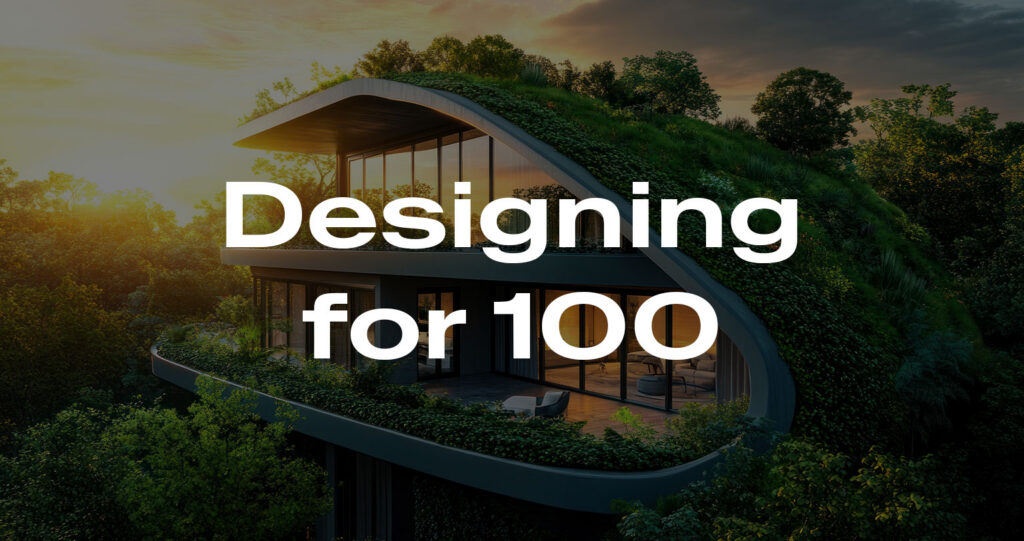
Longevity is no longer just biological—it’s environmental. The homes we live in, the communities we belong to, and the cities we navigate are becoming critical determinants of how well we age. From smart homes and ambient health monitoring to multigenerational living and age-friendly cities, environments are being redesigned to support independence, mobility, and wellbeing across the lifespan.

As longevity innovation accelerates, a critical question emerges: who gets access to it? The longevity economy is creating new opportunities—but also new inequalities. Cost, education, and access are shaping who can participate in this new era of optimized aging.